Want the latest from TruView in your inbox?
SUBSCRIBE


Truman members speak out and call for action on national security issues.
Content posted here reflects the views of the authors and signatories only, and does not necessarily reflect the position of the Truman National Security Project.
Let me be unmistakably clear: I condemn, in the strongest possible terms, the use of violence for political ends. Violence has no place in a democracy. As facts continue to emerge, I am grateful to the law enforcement and security professionals whose swift action prevented further harm.
It has expanded without congressional authorization, without a defined objective, and without any credible explanation to the American people of what success looks like or what this will cost in lives, in stability, and in economic consequences already hitting families through energy prices and supply chain disruptions.

The fatal shooting of a U.S. citizen by a federal immigration agent in Minneapolis is a profoundly disturbing event. It has sparked public outrage and intensified tensions between federal authorities and local leaders.
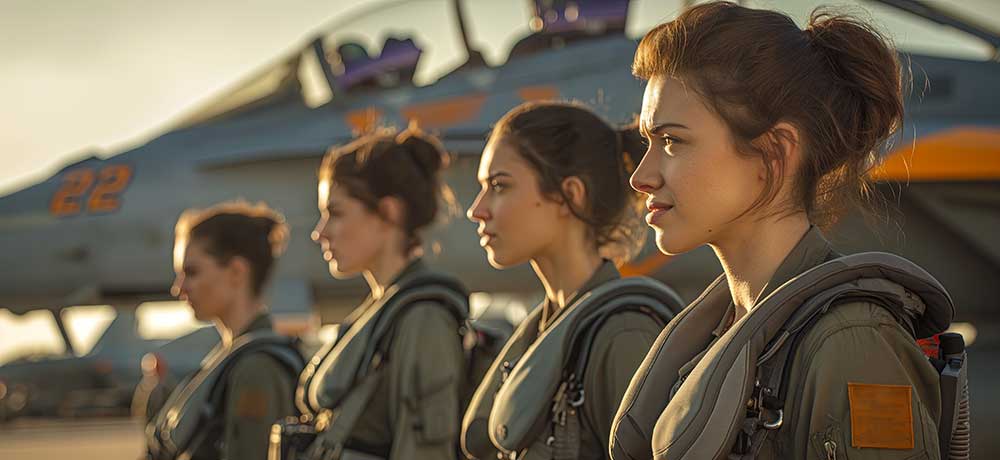
Why Evidence, Readiness, and Inclusion Matter for U.S. Military Effectiveness
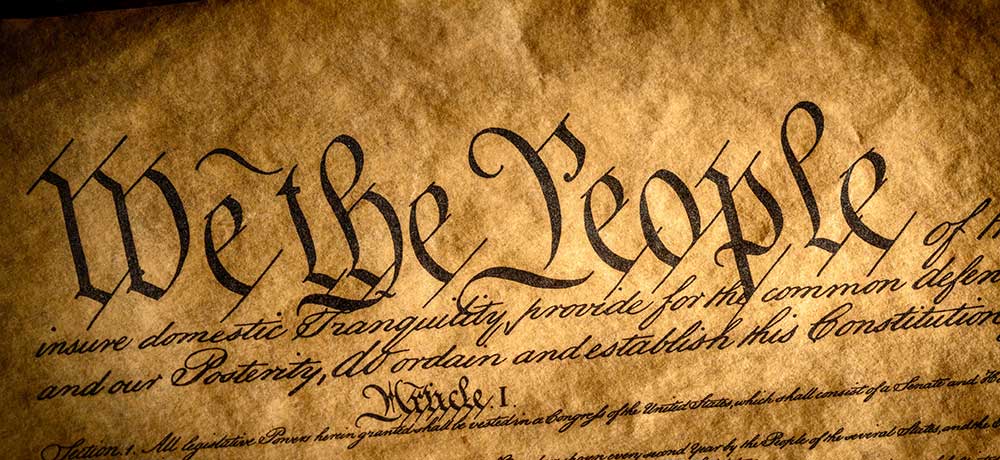
Angelic Young examines why recent U.S. military action toward Venezuela raises urgent questions about congressional authority, scope, and long-term consequences for U.S. credibility and security.
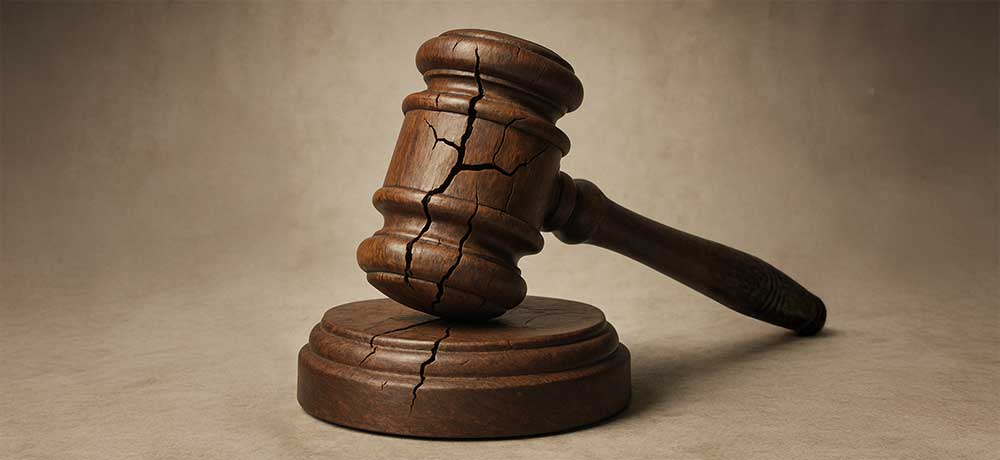
When leaders respond to fear with blame instead of accountability, the rule of law doesn’t just weaken—it cracks. This piece examines how selective enforcement and collective suspicion are reshaping our security and our democracy.
.png)
The Truman National Security Project is deeply concerned following a meeting at Marine Corps Base Quantico where President Donald Trump and Secretary of Defense Pete Hegseth instructed hundreds of U.S. generals and admirals to resign if they disagreed with the administration’s partisan policies.
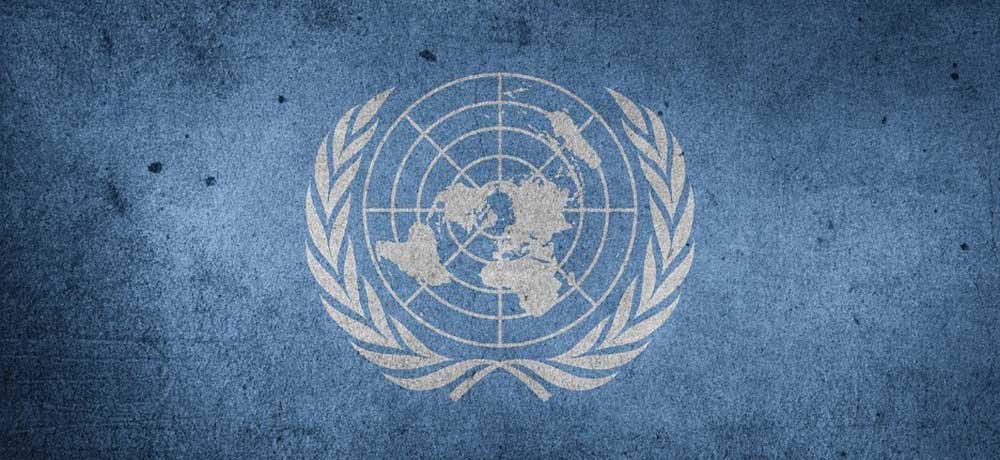
In October 1945, representatives of fifty nations gathered in San Francisco to draft a new covenant for the world. On that cold day eighty years ago, those leaders signed the Charter of the United Nations, vowing to “save succeeding generations from the scourge of war.”

Learn more about how to partner with and support Truman National Security Project. info@trumanproject.org